Why You Keep Gassing Out During Your 5k (And How to Fix It)
Ever feel like you’re halfway through your 5k, your legs are burning, you’re gasping for air, and you have to slow down—again?
You’re not alone. That “gassing out” feeling isn’t because you’re lazy or unfit. It’s not about willpower. It’s about your body’s energy systems—three of them, to be exact—and how they work (or don’t) when you run.
Here’s the thing: you can train smarter, not just harder. Let’s break it down, so you can stop hitting that wall and finally finish strong.
Why You’re Gassing Out
Your body uses three energy systems during a run:
- Phosphagen System: This is like your dragster. Instant power for short sprints and that finishing kick. It runs out in about 10-15 seconds.
- Glycolytic System: This is your sports car. It provides power for short, intense efforts—like surges up a hill or blasting off the line. But it creates that burning sensation when acid builds up.
- Oxidative System: This is your diesel truck. It’s your main endurance engine—responsible for about 85-90% of your 5k. It’s steady, efficient, and relies on oxygen.
Most runners gas out because they’re asking their short-term systems to do a long-term job. Go out too fast, and you burn through your dragster and sports car engines, overload your body with acid, and your brain slams the brakes.
How to Build a Better Running Engine
Train all three systems—especially your aerobic diesel truck.
- Long, Slow Runs: Truly easy runs at a conversational pace build more mitochondria (your energy factories) and stronger capillaries to deliver oxygen. This builds your aerobic base.
- Tempo Runs: Running at your threshold pace (that “comfortably hard” effort) teaches your body to handle acid build-up better. It pushes your fatigue point farther away.
- VO2 Max Intervals: These short, tough repeats boost your oxygen capacity—your aerobic “ceiling.” For example: 800m repeats at 5k pace with good recovery.
- Speed Intervals & Hills: Push your glycolytic system with 400m repeats or hill sprints. This helps you handle the burn and surge when you need to.
- Strides: Short, fast, controlled sprints at the end of easy runs keep your legs feeling quick for that final kick.
How to do a Lactate Threshold Test Run
How It All Fits Together
Here’s what a balanced training week could look like:
- Monday: Rest or gentle recovery
- Tuesday: VO2 max or interval workout
- Wednesday: Easy run + strides
- Thursday: Tempo run
- Friday: Easy run + strides
- Saturday: Long, slow run
- Sunday: Rest or light cross-training
Stick to the 80/20 rule: about 80% of your runs should be easy, 20% hard.
Race Smart
On race day, avoid going out too fast. Let your aerobic system do its job. Hold steady, then push in the final stretch with that finishing kick you trained for.
The Bottom Line
That gassed-out feeling doesn’t have to be your story forever. Build your aerobic base, train smart, and you’ll break through that wall for good.
Want more real talk on how to train smarter, not harder? Stick around for more running science that actually works.

AFFILIATE DISCLOSURE
As an Amazon Associate, I earn from qualifying purchases. This post may contain affiliate links. If you use these links to buy something we may earn a commission. The Site may contain links to affiliate websites, and we receive an affiliate commission for any purchases made by you on the affiliate website using such links.
All information should be used as a tool for more knowledge on the subject topic, to use as references for later articles where applicable, or just to keep it in mind during future exercise routines or activities.
This article is not meant to give medical advice or to replace professional health care. Should any ailment occur please contact your doctor or physical therapist immediately to keep yourself safe and prevent further damage.
The author is not liable for any personal or commercial damage directly or indirectly related to the content hereof. You are responsible for adhering to local laws and regulations regarding health & safety, including proper use of equipment or safety gear, and compliance with governing healthcare associations, and state, and federal regulations.
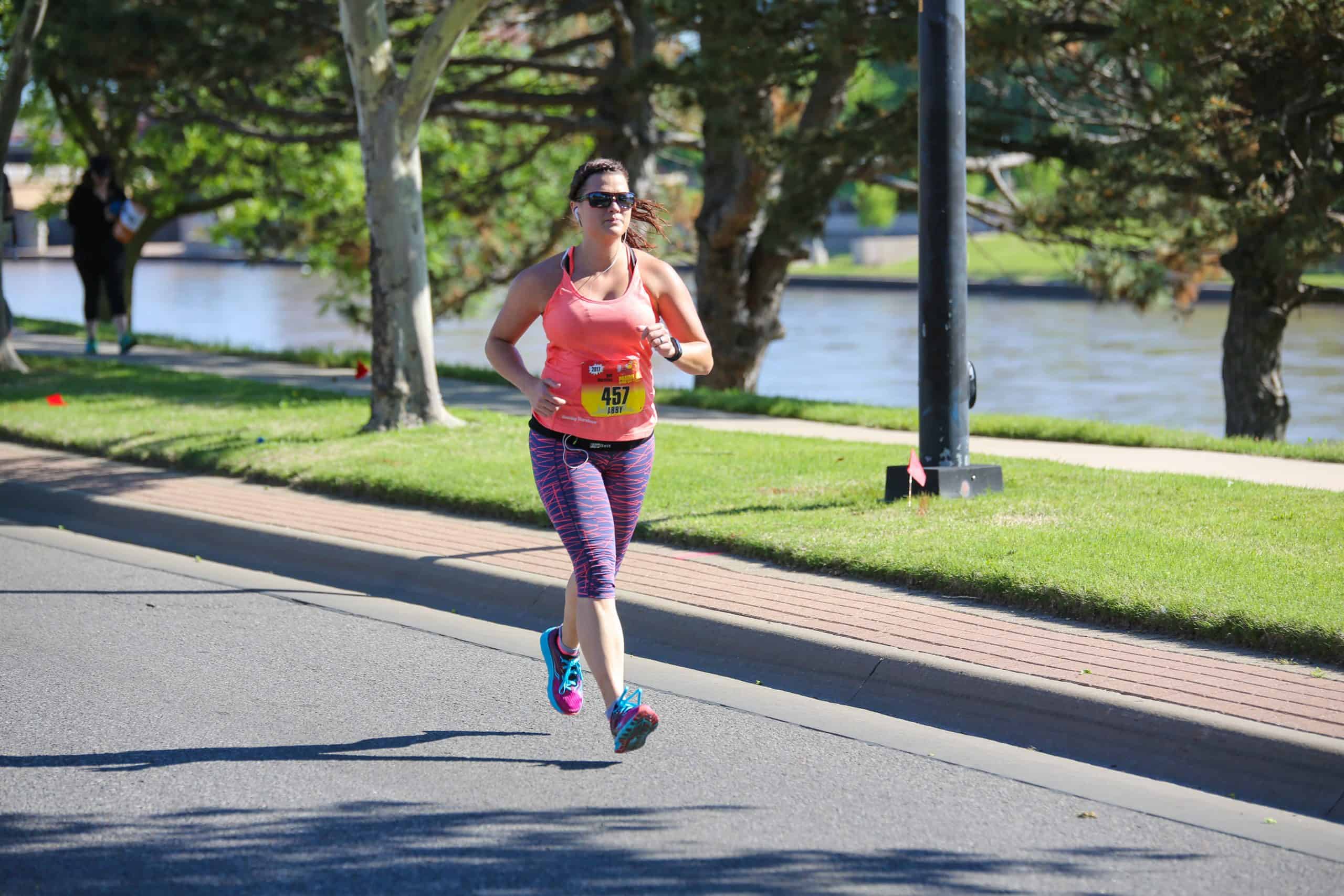
Dr. Abby Siler, PT, DPT is a Physical Therapist with 10 years of experience in a variety of settings. She has spent the majority of her time treating athletes in orthopedic clinics and worker’s compensation cases. She is a runner herself for the past 15 years and a lifelong athlete. Dr. Abby loves to teach runners how to stay injury free and out of her clinic.